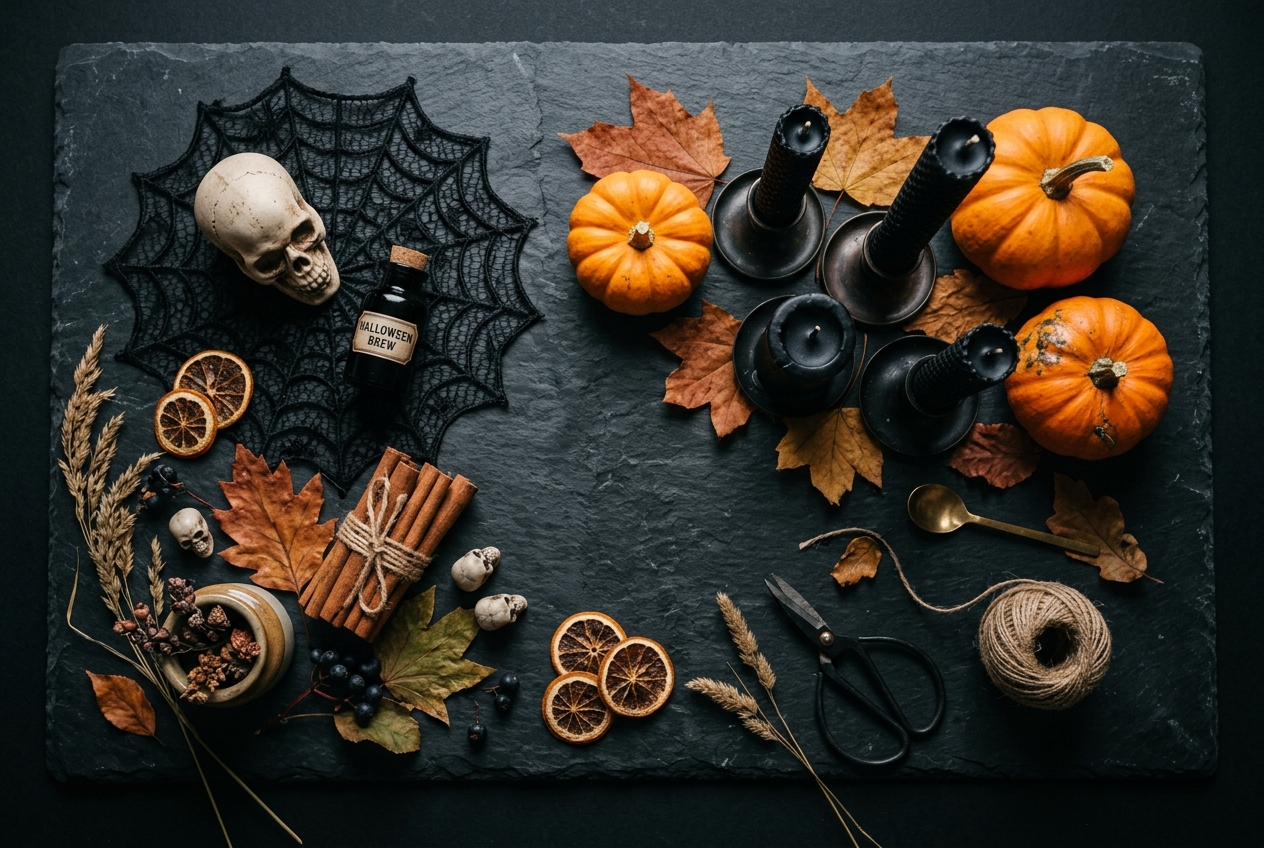
There is a distinct magic to the Halloween illustrations of the early 20th century. Before the era of mass-produced plastic decorations and hyper-realistic horror masks, Halloween aesthetics were defined by lithographic postcards, die-cut paper decorations, and whimsical, slightly eerie party favors from the 1920s, 30s, and 40s.
Today, these vintage Halloween clipart images are highly sought after by crafters, decorators, and digital artists. The good news? Many of these classic illustrations have entered the public domain, making them completely free to download, print, and use in your own spellbinding projects.
The Golden Age of Halloween Illustration
The period between the 1900s and the 1940s is often considered the Golden Age of Halloween art. During the Art Deco and early modernist periods, commercial artists began codifying the visual language of Halloween that we still use today. German printing companies were particularly famous for producing high-quality lithographic postcards featuring vivid colors and intricate details.
The artistic style of this era leaned heavily on flat design, bold, contrasting colors (particularly deep oranges, blacks, and sickly greens), and characters that were more mischievous than monstrous. You'll often see grinning jack-o'-lanterns, anthropomorphic vegetables, elegant witches flying across full harvest moons, and stylized black cats with arched backs.
"The charm of vintage Halloween art lies in its delicate balance between the whimsical and the wicked. It doesn't seek to terrify; it seeks to enchant, inviting us into a world where every shadow hides a grinning sprite."
— Morgana Hex
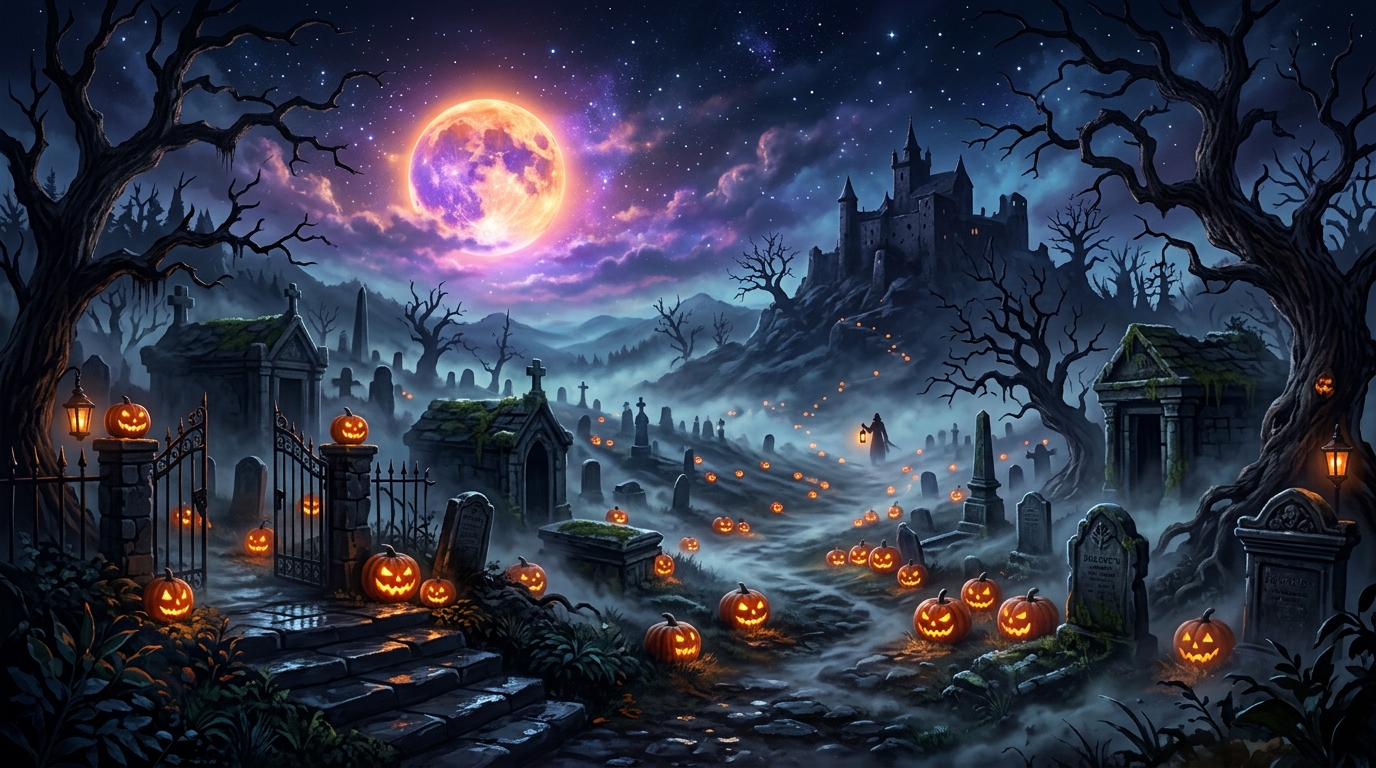
Into the Public Domain
How did these beautiful works of art become free to use? In the United States, works published before 1929 are currently in the public domain. Additionally, many ephemeral items like party invitations, labels, and mass-market postcards from the 30s and 40s were never formally copyrighted or had their copyrights expire without renewal. This allows modern creators to repurpose these classic images for everything from home decor to digital scrapbooking.
- Die-Cuts: Paper die-cuts produced by companies like Beistle in the 1920s became the standard for American Halloween decor.
- Lithography: Early Halloween postcards were often printed in Germany using chromolithography, resulting in rich, textured colors.
- The Gibson Girl Witch: Early 1900s illustrations often depicted witches not as ugly hags, but as beautiful, elegant women.
- Anthropomorphism: Vegetables with faces, such as cabbage-headed men and pumpkin-headed figures, were incredibly popular motifs.
- The Dennison Manufacturing Co: Their "Bogie Books" (published between 1909 and 1935) helped shape the modern visual vocabulary of Halloween.
Creative Ways to Use Vintage Clipart
Whether you are hosting a prohibition-era themed Halloween gala or just love the retro aesthetic, vintage clipart is incredibly versatile. Here are a few ways to use these public domain treasures:
- Apothecary Labels: Print vintage graphics onto sticker paper to create spooky labels for bottles and jars.
- Party Invitations: Use 1920s postcard designs for your digital or printed Halloween party invites.
- Home Decor: Frame high-resolution prints of vintage art for an instant, elegant, and spooky gallery wall.
- Decoupage: Mod Podge printed clipart onto craft pumpkins, wooden boxes, or serving trays.
Free Clipart Gallery: 6 Classic Categories
We've curated six essential categories of vintage Halloween clipart. Browse the collections below to find the perfect retro graphics for your next project.
Black Cats
Witches & Broomsticks
Jack-o-Lanterns
Ghosts & Spirits
Harvest & Autumn
Gothic Architecture
Note: All images in these collections are verified to be in the public domain and are free for personal and commercial use. Happy crafting, and may your Halloween be beautifully vintage!